

Plant a tree everyone says, it will help save the planet.


Trees can help regulate water cycles, halt soil erosion, restore wildlife habitats, draw carbon out of the atmosphere and even enhance livelihoods. No wonder reforestation has become an environmental trend worldwide, and individuals, organisations and governments alike celebrate when large numbers of trees are planted. The right trees in the right place are of huge benefit.
However humans have a tendency for planting the wrong trees in the wrong places and for creating monoculture plantations. Monocultures can have a devastating effect on the water tables and water purity as well as biodiversity, particularly when non native species are planted.

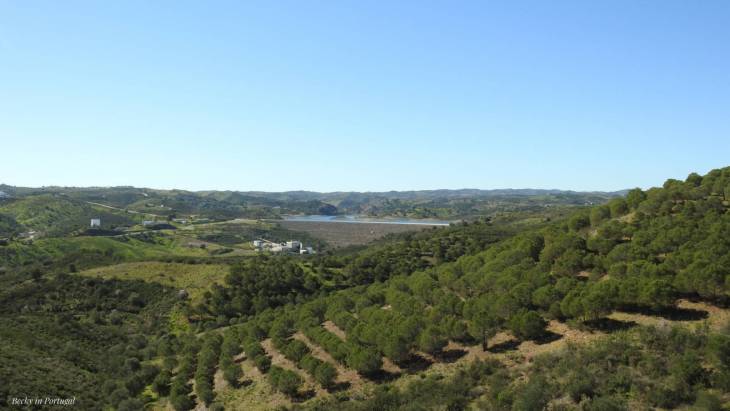
It is therefore worrying that in the Algarve new plantations of non native species such as avocados and oranges are appearing everywhere. You would have hoped landowners and the authorities would have learnt from the devastation caused by wheat and eucalyptus projects in Portugal, commercial forestry in Finland and intensive agriculture in Spain. And even the pinenut forests are experiencing issues with low yields and increasing pest issues. However it seems yet again in a western culture short term economic benefits take precedent over medium to long term environmental and social economic problems.
Mature avocado trees need around 1500 mm per year and citrus trees at least 700mm per year and preferably nearer 1000mm per year. So whilst both fruits can bring huge economic benefits to farmers, it really doesn’t make sense, to my mind at least, to be planting huge orchards of both these trees in a region that receives on average 750mm of rain every year, and at a time when winters are frequently much drier than in previous decades.


A sensible alternative is carob. Extremely drought tolerant it needs less than 400mm of rain annually to fruit set and can survive on 250mm. It is currently achieving huge prices (more here). It does though grow slowly at first, and won’t start fruiting until at least its sixth year. However once it starts you’ve got 80 to 100 years of cropping!


Even figs are okay. Like many indigenous trees in dry climates they don’t like wet soils, and can cope with periods of drought. From what I can gather they need around 200mm of water a year.
Other trees that work well in this dry climate are of course the olive, cork oaks and other native oaks, however their economic benefits are maybe not as a great.


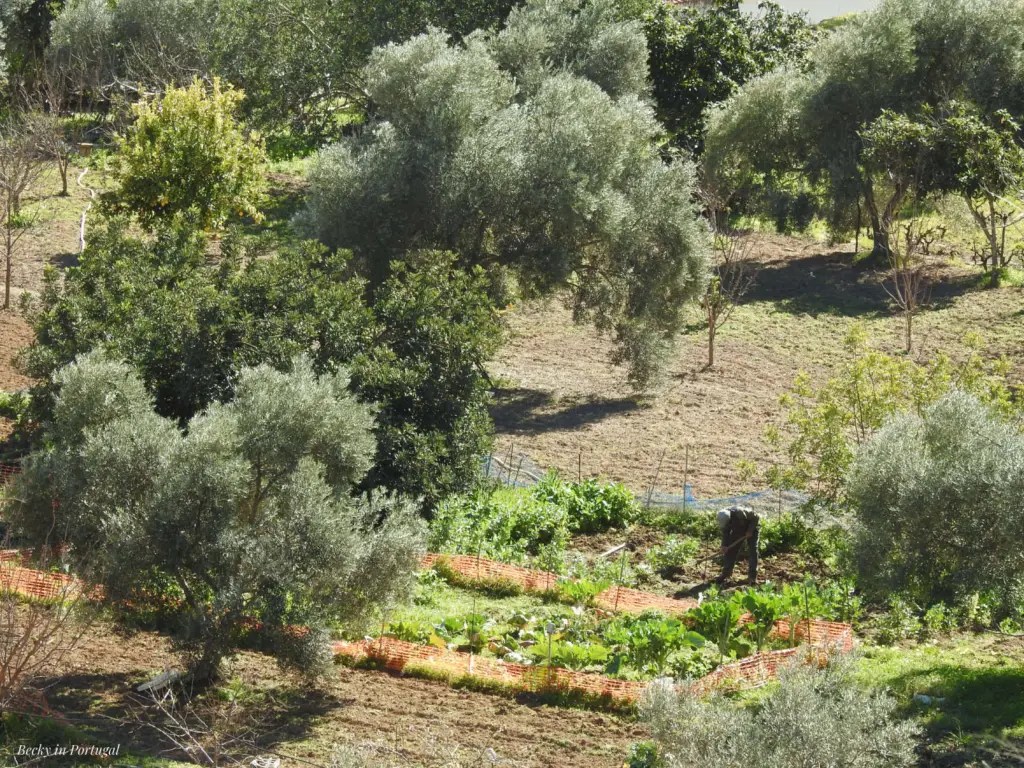
The same could be said of the traditional farming methods. Labour intensive and economically unviable, but they are sustainable which in the middle of a climate crisis is possibly more important in the long term.


I have suddenly realised I have forgotten one of my favourite trees here in the Algarve, the almond tree. I love what it produces and I love the smell of its blossom in January and February. It can cope with droughts, and 500 to 600mm of water annually is sufficient for most trees. Although in California where they want much larger nuts and heavy crops around 900mm of water annually is preferred.


A rather lengthy contribution to Debbie’s Six Word Saturday, however my title is six!